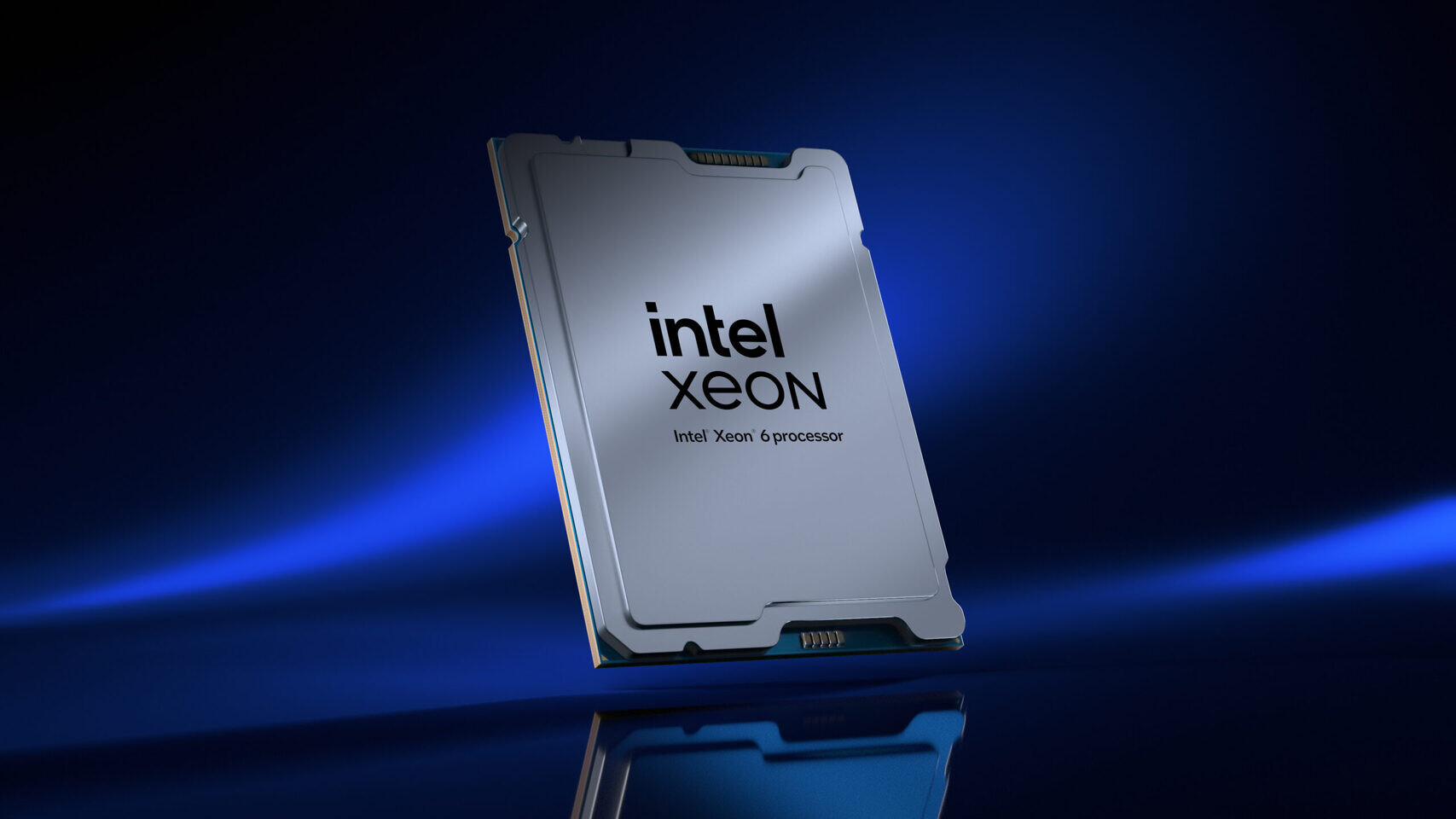
Intel Plans Another CPU Price Increase Amid Ongoing Supply Challenges
Intel is reportedly preparing to implement another round of CPU price increases, following previous hikes earlier this year. According to recent research and channel checks from the Chinese market research firm Minutes Logic Society, Intel is set to raise prices again across its CPU portfolio, impacting both consumer and server processors.
Recent History of Intel CPU Price Hikes
In February, Intel initiated its first round of CPU price increases, with adjustments ranging from 10% to 15% depending on the product segment and specific SKUs. This was quickly followed by another increase in March, which saw prices rise by approximately 15%. Reports at the time indicated that consumer CPUs, such as the Core Ultra series, experienced a 10% price hike. The upcoming increase, expected in May, will add a few more percentage points to the cost of Intel CPUs, affecting both the Core Ultra lineup and Xeon server processors.
Cumulative Impact and Market Drivers
The cumulative effect of these price adjustments is significant, with Intel targeting a total increase of around 30% compared to 2025 pricing. This escalation comes at a time when Intel is grappling with persistent supply constraints. While much of Intel’s CPU production is handled internally through Intel Foundry, certain models rely on silicon from TSMC. This is particularly true for CPUs utilizing multi-die packaging, where components are manufactured on both Intel and TSMC nodes. Final assembly and shipping cannot occur until all parts are available, leading to further delays.
AI Data Centers Fueling CPU Demand
The surge in CPU demand is largely driven by the rapid expansion of AI data centers. Initially, these facilities focused their infrastructure spending on GPUs, with an average of more than 12 GPUs per CPU. However, as AI workloads have evolved, the CPU-to-GPU ratio has shifted, now averaging 1:8 and potentially moving toward 1:4 in some scenarios. This shift reflects the growing computational requirements of modern AI applications and has resulted in a substantial increase in CPU orders.
As a result, supply has struggled to keep pace with demand, affecting not only Intel but also competitors like AMD and Arm-based CPU manufacturers. Intel’s response has been to adjust pricing as CPUs become increasingly scarce, while efforts to ramp up manufacturing continue.
These ongoing price increases highlight the complex interplay between supply chain challenges, evolving technology demands, and market dynamics in the semiconductor industry. As AI and data center growth continue to accelerate, the pressure on CPU supply and pricing is likely to persist in the near future.