Intel Set to Launch New LGA1700 Processors with Raptor Lake Refresh
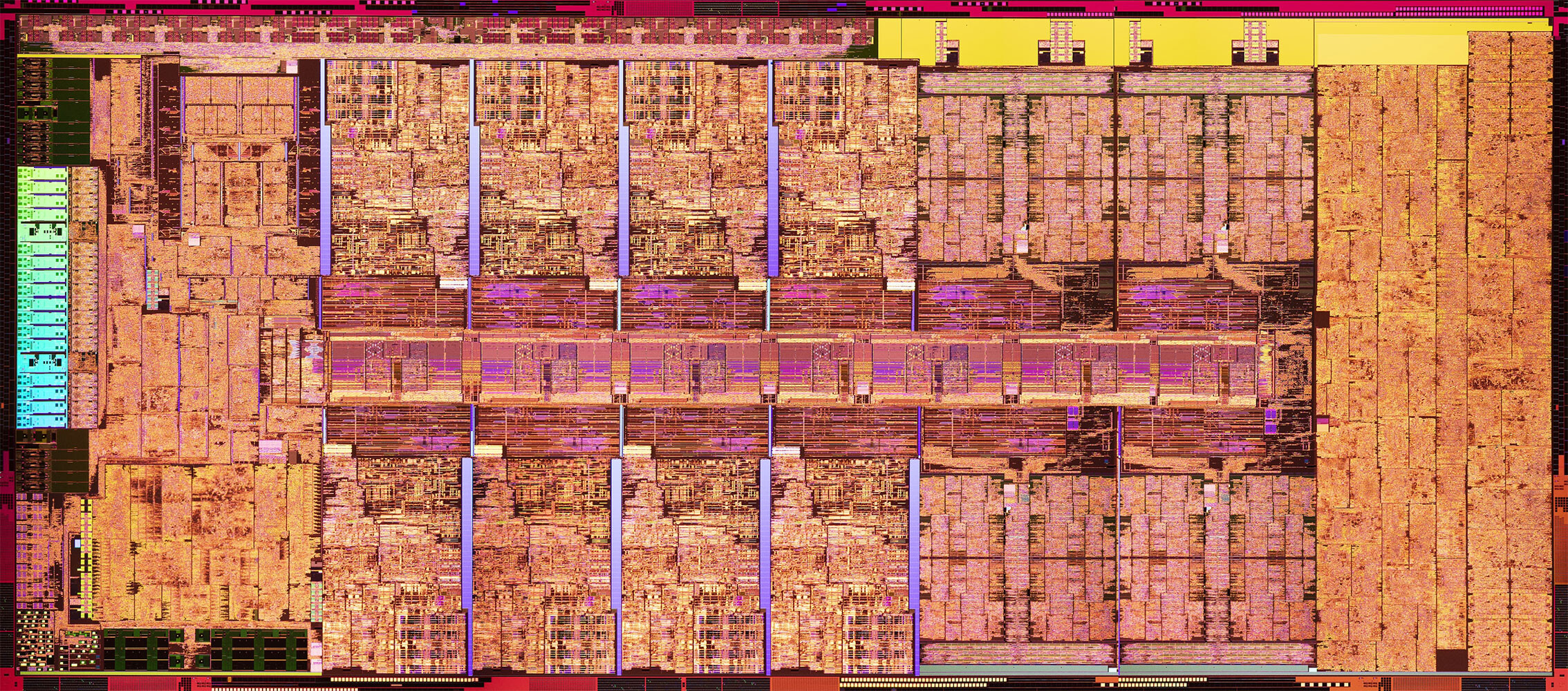
Intel is gearing up to introduce a fresh lineup of Socket LGA1700 processors built on the "Raptor Lake Refresh" architecture—the same silicon that powers the 14th Gen Core desktop CPUs. This strategic move comes as the industry faces a DDR5 memory shortage, prompting Intel to offer processors compatible with both DDR5 and the widely available DDR4 memory. As a result, motherboard manufacturers are preparing to release new LGA1700 boards featuring slots for both DDR4 and DDR5, providing gamers and PC builders with greater flexibility when upgrading their systems.
Processor Naming and Specifications
There is ongoing speculation regarding the naming convention for these upcoming processors. One prevailing theory suggests that Intel may adopt the Core Series 2 model numbering, but without the "Ultra" branding, as these chips lack an integrated Neural Processing Unit (NPU). Additionally, Intel is expected to focus on the "5" and "7" series, potentially omitting a "9" tier for this release.
The flagship Core 7 2xx SKU is anticipated to fully utilize the capabilities of the Raptor Lake Refresh silicon. This processor could feature an 8P+16E core configuration, comprising eight high-performance "Raptor Cove" P-cores (each with 2 MB of L2 cache) and four clusters of "Gracemont" E-cores (each cluster with 4 MB of L2 cache). All cores would share a substantial 36 MB L3 cache, ensuring robust multitasking and gaming performance.
In terms of connectivity, the chip is expected to support both DDR4 and DDR5 memory, catering to a wide range of user preferences and budgets. It will also offer 20 PCIe lanes—16 of which are PCIe Gen 5 for high-speed graphics and storage, and four PCIe Gen 4 lanes for additional expansion options.
Market Positioning and Pricing Strategy
Intel has recently received positive feedback for the competitive pricing of its Core Ultra 7 270K Plus processor. Building on this momentum, the company may introduce the new Raptor Lake Refresh-based processors at similarly aggressive price points. By maximizing on-die hardware capabilities and maintaining support for DDR4 memory, Intel aims to deliver high performance and value, making these processors an attractive option for gamers and PC enthusiasts looking to upgrade without breaking the bank.